


HPLC qualification for GMP-regulated labs
Hizkia Chandra, Testa Analytical Solutions e.K.

Qualification of HPLC Systems is one of the most common tasks in GMP-regulated laboratories. Several different regulatory guidelines and pharmacopeial standards offer frameworks for this, ranging from pure instructions to rigid quality standards to be checked and documented in regular intervals. HPLC pump flow rates are a critical process parameter (CPP) within these frameworks and due to the mechanical nature of pump operation and due to their continuous operation in high-throughput applications, pump parts are subject to wear and tear, requiring special attention when it comes to qualification, requalification, and performance verification during normal operation and after preventive or corrective maintenance.
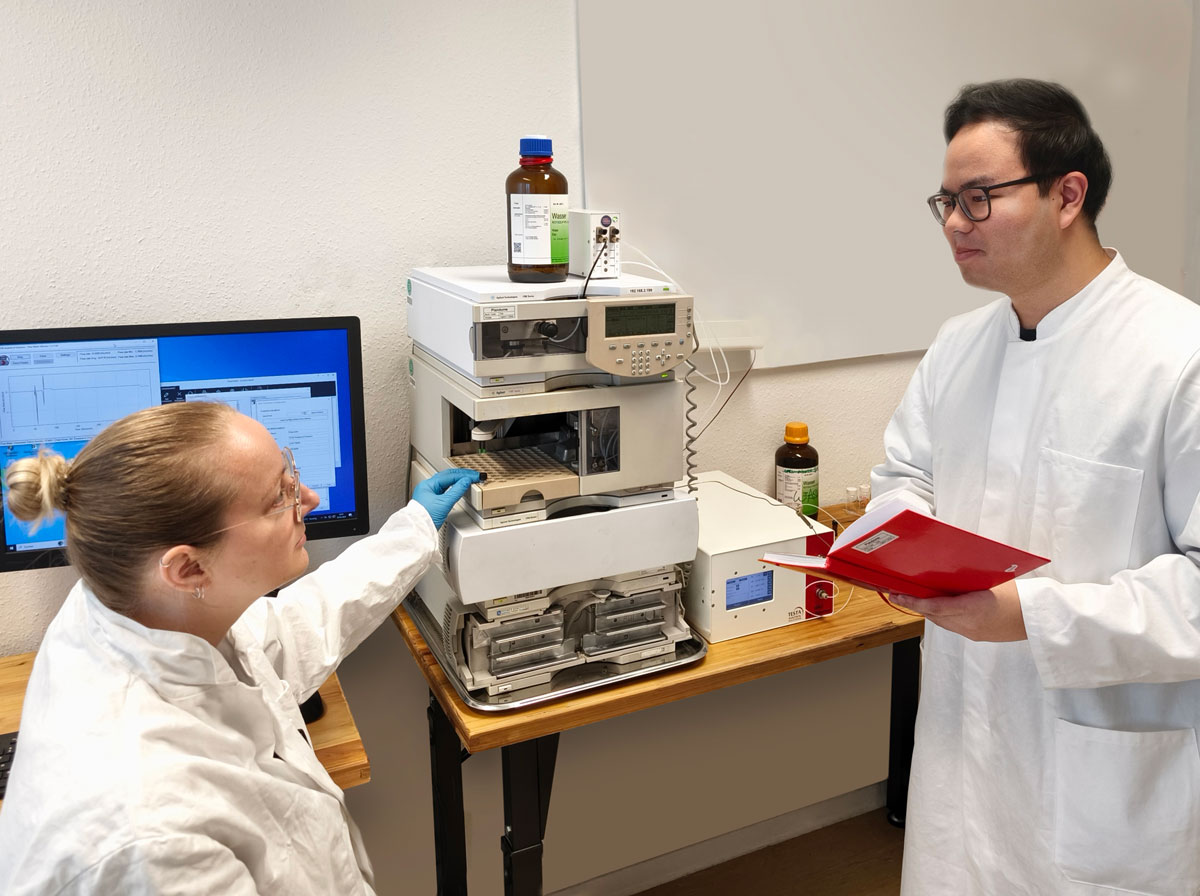
The most used method for the qualification of HPLC pumps is to determine accuracy and precision of flowrate, most commonly utilizing a validated volumetric flowmeter with a connected printer. These devices, available for decades, have been considered fit-for-purpose under historical standards. However, with increasing regulatory expectations for data integrity, traceability, and compliance with ALCOA+ principles, traditional paper-based documentation is no longer sufficient.
A simple paper strip delivered by a thermal printer with a simple list of flowrates lacking any further information is undoubtedly not good enough to fulfill the strict requirements of auditors involved in proofing documentation. Instead, a full digital track of all procedures and results, easily to be traced back to pure raw data, is what nowadays should be expected from a tool used for tasks with such fundamental importance as qualification.
A new qualification paradigm must be embraced to meet modern regulatory expectations: Any qualification tool must be durable and GMP-compliant, offering five essential components that align with ALCOA+ principles:
A) Standard Operating Procedure (SOP) definition – i.e., reproducibility and adherence to validated processes
B) Data Collection – guaranteeing data is attributable and complete
C) Secure Data Storage – providing enduring, protected, and easily retrievable data
D) Standardized Data Evaluation – establishing process and data accuracy, consistency, and integrity
E) Comprehensive Reporting & Audit-Ready Documentation – safeguarding completeness, regulatory readiness, and long-term retrievability
Each of these components must be interpreted within the framework of industry quality standards, such as USP <1058>, EU GMP Annex 11, 21 CFR Part 11, and ICH Q7, to guarantee full compliance with current expectations for computerized system validation and data governance.
Complying with these regulations requires a holistic approach. For example, utilizing a fully digital thermal flowmeter, which enables continuous, in-line monitoring of HPLC pumps, equipped with real-time data acquisition. The flowmeter connects seamlessly to a compliant app. This allows digital storage of all flow rate measurements with full traceability. The collected data are then processed with a dedicated evaluation software, designed to provide automated pump validation analysis. The software facilitates an audit-proof reporting environment, incorporating the Four-Eyes Principle to guarantee data integrity and accountability.
By implementing this workflow, the entire process; from data acquisition, data processing to documentation, remains fully traceable, regulatory-compliant, and audit-ready, providing laboratories with a robust solution.
Conclusion
Fulfillment of quality standards and regulatory guidelines can nowadays be easily automated by huge reduction of necessary human intervention for the task. Powerful tools are now readily available and affordable, the adoption of such tools directly improves data security, traceability, and process reliability, facilitating seamless Good Documentation Practices (GDP) and adherence to GMP principles.
TESTA Analytical Solution has an impressive record of delivering state-of-the-art, compliance-driven solutions designed to meet regulatory expectations. We are proud to introduce our comprehensive Pump Qualification Pack, equipping laboratories with a calibrated flowmeter, complete with a digitally secure and fully compliant pump validation tool, ensuring seamless compliance with industry standards and regulations.
Thank You!

Your message has been forwarded to our team and we will reply as soon as possible. Thank you for your patience.
© 2026 TESTA Analytical Solutions e.K. All rights reserved.